





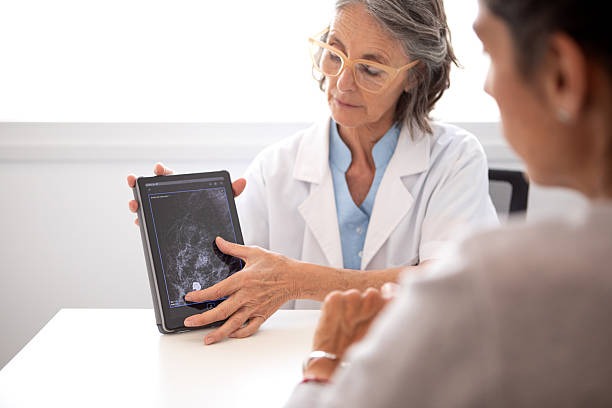
Understanding the most fertile days in a menstrual cycle is essential for individuals trying to conceive or avoid pregnancy naturally. Fertility peaks when an egg is released from the ovary during ovulation, which typically occurs once each cycle. The window of fertility includes the day of ovulation and several days before it because sperm can survive inside the female reproductive tract for up to five days. Identifying this period requires paying attention to various signs and tracking methods that provide insight into when ovulation happens.
The menstrual cycle begins on the first day of menstruation and ends just before the next period starts, usually lasting learn more about 28 days but varying among individuals. Ovulation generally occurs around 14 days before the start of the next period, not necessarily on day 14 of every cycle. This means that cycles shorter or longer than 28 days will have different ovulation timings. By understanding one’s average cycle length over a few months, it becomes easier to estimate fertile windows more accurately.
One common way to identify fertile days involves monitoring basal body temperature (BBT). After ovulation, progesterone causes a slight increase in body temperature by approximately half a degree Fahrenheit or about 0.3 degrees Celsius. Charting BBT daily upon waking helps detect this subtle rise, indicating that ovulation has occurred and signaling that peak fertility was just prior to this shift.
Another useful indicator is cervical mucus consistency. As estrogen levels rise approaching ovulation, cervical mucus becomes clear, stretchy, and slippery-similar in texture to raw egg whites-which facilitates sperm movement through the cervix toward the egg. Observing these changes daily can help pinpoint high-fertility periods.
Additionally, some women experience mild abdominal pain known as mittelschmerz around mid-cycle during ovulation due to follicle rupture releasing an egg; however, not everyone notices this symptom consistently.
Ovulation predictor kits (OPKs) offer another reliable method by detecting luteinizing hormone (LH) surges in urine shortly before ovulation occurs. A positive result usually indicates fertility peaks within 24-36 hours following detection.
Combining these approaches-cycle tracking, basal body temperature charting, cervical mucus observation, and OPKs-can improve accuracy in identifying fertile windows significantly compared to relying on calendar calculations alone.
In summary, recognizing your most fertile days involves understanding your unique menstrual rhythm through careful observation and record-keeping of physical signs associated with ovulation. This knowledge empowers informed decisions regarding family planning goals while promoting awareness of one’s reproductive health patterns over time.
Head Office
168, BSNL Road, Near BSNL office, Sector 3, Hiran magri, Udaipur, Rajasthan 313001
Call
+91 90018 38800
+91 90019 97440
Email Us
dralkaivf01@gmail.com
Operating Hours
Mon – Sat 9 AM – 6 PM
Sunday 9 AM – 4 PM
